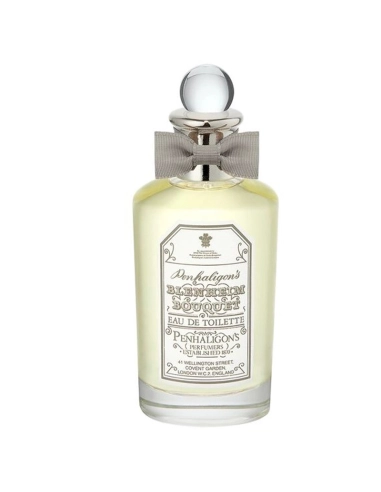
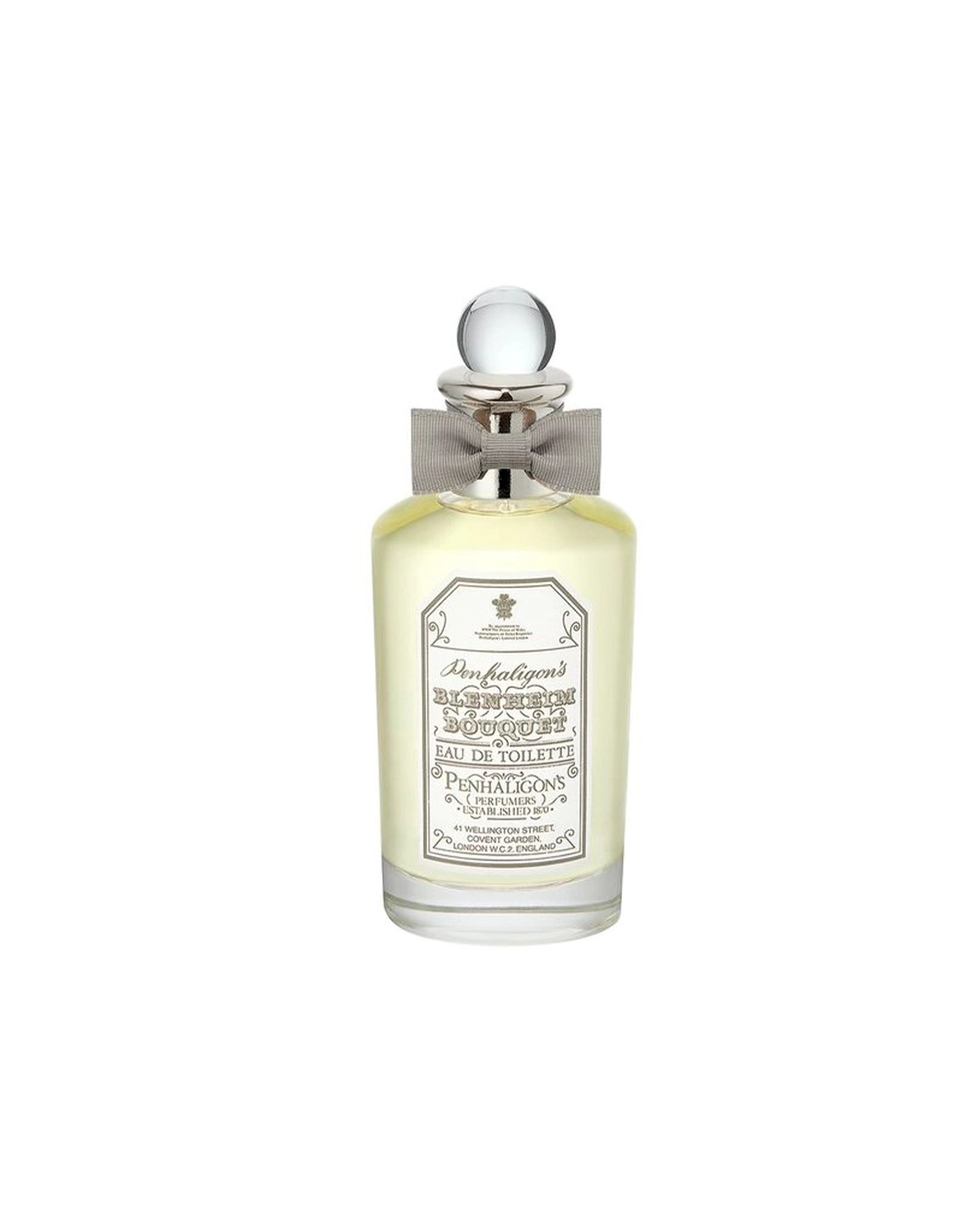
Blenheim Bouquet was originally created for the Duke of Marlborough at Blenheim Palace, Oxfordshire, a detail that explains much of its composed bearing and unmistakably classical character. Launched in 1902 and created by Walter Penhaligon, this 100 ml Eau de Toilette belongs to a distinctly British tradition in which freshness is not treated as something fleeting, but as a form of precise, self-possessed refinement. Its structure places it firmly within the citrus, aromatic and fougère families, with a restraint that still feels articulate today.
The opening of lemon brings immediate clarity. It does not aim for sweetness or flamboyance; instead, it suggests order, cleanliness and a kind of quiet energy. That bright beginning moves into a lavender heart, introducing the aromatic facet and shaping the fragrance with a dry, polished, classically masculine tone. Here, lavender does not turn the composition soft or powdery. It gives it definition, balance and an elegant sense of line.
In the base, pine provides a green, steady foundation that anchors the fragrance naturally. Its presence extends the impression of a disciplined English landscape, almost architectural in feeling, and lends the scent a measured depth without decorative excess. The composition unfolds with notable coherence: from citrus brightness to aromatic structure, then into a forested base that remains controlled and assured.
As a creation by Walter Penhaligon, Blenheim Bouquet reflects a very specific idea of masculine perfumery: elegance without overstatement, freshness built with rigor, and a sense of cleanliness that feels styled rather than neutral. It evokes alert composure, like a crisp shirt or cool morning air moving through a carefully kept garden. Rather than chasing novelty, it speaks in a classical register with confidence and discipline.